What Is Smart Bookkeeping for Women Entrepreneurs?

For many women entrepreneurs, the journey of business ownership is fueled by passion, a vision for change, and a desire for autonomy. Whether you are launching a boutique consulting firm, an e-commerce brand, or a wellness practice, the "why" behind your business is usually crystal clear. However, the "how" of financial management—specifically bookkeeping—is often where the momentum slows down.
Traditional bookkeeping is reactive; it is about recording what happened in the past to satisfy tax authorities. But for the modern woman entrepreneur, reactive management isn't enough. Enter Smart Bookkeeping. This isn’t just about balancing sheets; it’s a strategic framework that aligns your financial data with your long-term vision. It’s about moving from being a passenger in your business’s financial journey to being the pilot.
In this deep dive, we explore the pillars of smart bookkeeping, why it is uniquely vital for women-led businesses, and how turning numbers into narratives can unlock doors to capital and growth.
1. Defining "Smart Bookkeeping"
Smart bookkeeping is the intersection of technology, expert analysis, and forward-looking strategy. Unlike traditional bookkeeping, which focuses on data entry, smart bookkeeping focuses on data utility.
At its core, smart bookkeeping involves three distinct layers:
- The Foundation (Clean Data): Utilizing tools like QuickBooks Online to automate transaction imports and ensure every penny is accounted for with 100% accuracy.
- The Insight (Financial Literacy): Transforming those transactions into reports (P&L, Balance Sheets, Cash Flow Statements) that the business owner actually understands and can use to make decisions.
- The Strategy (Lender-Readiness): Ensuring that the books are maintained to a standard that makes the business attractive to banks, investors, and lenders at any given moment.
For women entrepreneurs, who statistically face more hurdles in securing venture capital and small business loans, this third layer is the "smart" differentiator. It’s about building a lender-ready business from day one.
2. Why Women Entrepreneurs Need a Specialized Approach
Women-owned businesses are growing at a rate significantly faster than the national average. Yet, studies consistently show that women often start their businesses with less capital than men and are less likely to apply for—or receive—substantial loans.
Smart bookkeeping addresses these systemic challenges by empowering women with Financial Confidence. When you know your margins, your burn rate, and your customer acquisition cost, you stop making decisions based on "gut feelings" and start making them based on evidence.
Furthermore, many women entrepreneurs juggle the "double shift"—managing a household and a business. Smart bookkeeping relies on automation and expert outsourcing to give these founders their time back. It’s not just a financial strategy; it’s a lifestyle preservation strategy.
3. The "Lender’s Perspective" Edge
One of the most significant aspects of smart bookkeeping is understanding how the outside world views your finances. This is where a specialized eye makes all the difference. When your bookkeeper understands commercial loan underwriting, they don't just see a spreadsheet; they see a credit application.
Smart bookkeeping for women involves:
- DSCR Awareness: Understanding your Debt Service Coverage Ratio—knowing if your net income can support a loan payment before you ever walk into a bank.
- Add-back Identification: Knowing which one-time expenses (like a one-time rebranding or a specific equipment repair) can be "added back" to your profit to show a lender your true earning potential.
- Compliance for Specialized Loans: Keeping SBA (7a, 504) and USDA loan requirements in mind so that if you have a government-backed loan, you are never in jeopardy of default due to poor record-keeping.
4. The Pillars of a Smart Bookkeeping System
To implement smart bookkeeping, a woman entrepreneur must look beyond the shoebox of receipts. The system must be:
Digital and Cloud-Based
Desktop software is a relic of the past. Smart bookkeeping happens in the cloud. This allows for real-time collaboration between the business owner and the bookkeeper. Whether you are at a conference or at home, you have your financial pulse in your pocket.
Segregated and Scalable
A common mistake in early-stage entrepreneurship is "commingling"—mixing personal and business expenses. Smart bookkeeping enforces strict boundaries. It sets up a chart of accounts that isn't just for today's revenue, but for the seven-figure revenue you are aiming for next year.
Insight-Driven, Not Just Compliance-Driven
If you only look at your books in April, you aren't practicing smart bookkeeping. Smart systems involve monthly Financial Health Checks. This is where you analyze trends: Is your COGS (Cost of Goods Sold) creeping up? Is a specific marketing channel yielding a low ROI? Smart bookkeeping answers these questions.
5. Overcoming the "Fear of the Numbers"
There is a common psychological barrier known as financial avoidance. Many entrepreneurs feel that if they don't look at the bank balance, the problem doesn't exist. Smart bookkeeping removes the shame and replaces it with clarity.
By working with a partner who understands the unique stresses of women in business, founders can move past the "fear" phase. A smart bookkeeper acts as a translator, turning the "language of accounting" into the "language of business growth." Instead of saying "your accounts receivable is high," a smart partner says, "your clients are taking 45 days to pay, which is strangling your cash flow; let's fix your invoicing workflow."
6. Preparing for the Future: Exit Strategies and Expansion
Smart bookkeeping isn't just about surviving; it's about the exit or the expansion. Whether you want to sell your business in ten years or pass it on to your children, the value of your business is tied directly to the quality of your books.
Clean, professional books are the primary requirement for a high valuation. When a buyer or a bank sees that a woman-owned business has professional, third-party verified bookkeeping, the perceived risk drops significantly. This Risk Mitigation is the ultimate goal of the smart bookkeeping philosophy.
Conclusion: Taking the Next Step
For the woman entrepreneur, your business is more than just a job—it’s your legacy. Don't let poor financial visibility be the ceiling that stops your growth. Smart bookkeeping is the key to unlocking the capital, the time, and the confidence you need to scale.
Whether you are looking to secure an SBA loan, streamline your payroll, or simply get a clear picture of your monthly profit, the journey starts with a commitment to professional financial management. With the right systems and the right partners, your numbers won't just tell you where you've been; they'll show you exactly where you're going.
Are your books lender-ready? At O.N.E. Bookkeeping, LLC, we help women entrepreneurs take control of their financial narrative. Contact us today to schedule a consultation.
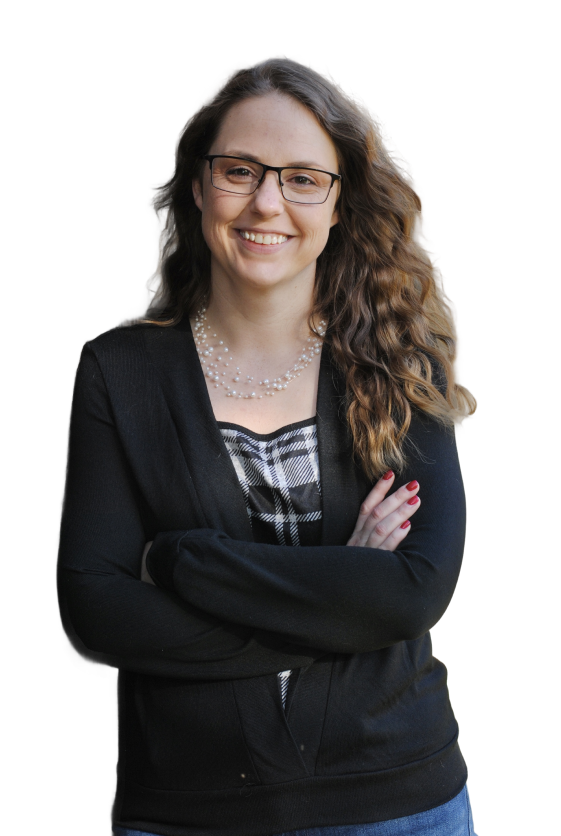
Amanda Beckwith is the Founder and CEO of ONE Bookkeeping LLC, established in 2023 to help small business owners gain clarity, structure, and confidence in their financial records.
Amanda has worked in the financial services industry since 2010, building more than 15 years of experience across banking, commercial lending, underwriting, and portfolio management. She began her career in retail banking and quickly advanced through branch leadership before transitioning into commercial and SBA lending. From there, she progressed into underwriting roles and ultimately served as a Portfolio Manager within commercial and SBA lending, overseeing loan relationships, conducting ongoing financial reviews, managing credit risk ratings, and ensuring compliance with SBA and lending regulations. Her portfolio management experience relates specifically to commercial loan oversight and borrower relationship management.
Her expertise includes SBA 7(a), 504, and USDA lending, financial statement analysis, credit risk assessment, and SBA Standard Operating Procedure compliance. After reviewing and underwriting hundreds of business financial statements from a lender’s perspective, Amanda understands exactly what financial institutions look for — and what business owners often overlook.
She now applies that depth of experience full time through ONE Bookkeeping LLC, helping clients maintain clean, accurate, lender-ready financial records that support long-term growth and financial stability.
Amanda is a Certified QuickBooks Online ProAdvisor and holds an Associate’s Degree in Business Administration, earned while working full time and raising her family. Her approach to bookkeeping is structured, disciplined, and grounded in real-world financial and lending experience — not theory.